Dítě neppije: co dělat, když dítě nepije a jak zajistit hydrataci
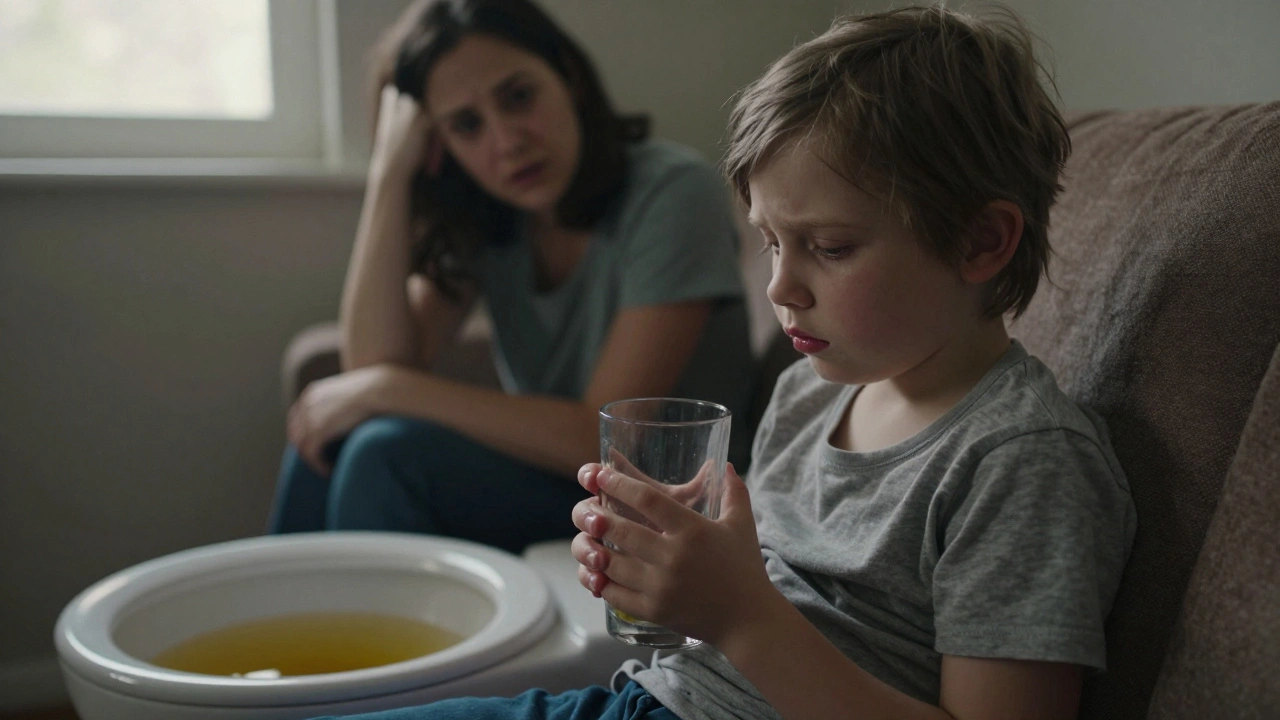
When a child refuses to drink, it’s not just about being picky—it’s often a sign their body is struggling. dítě neppije, stav, kdy dítě odmítá pít tekutiny i při horečce, nachlazení nebo virové infekci. This is especially common with virus Coxsackie, infekce, která způsobuje bolestivé vředy v ústech a zabraňuje dítěti pít or during třídenní horečka, běžná virová nemoc, při které dítě ztrácí chuť k jídlu i pití. When hydration drops, the risk of dehydratace u dětí, nebezpečný stav, kdy tělo ztrácí příliš mnoho tekutin rises fast—even if the child seems fine.
Many parents think, "They’re just being stubborn," but the truth is simpler: pain, fatigue, or fever make drinking hard. A child with mouth sores from hand-foot-mouth disease won’t sip water because it hurts. A toddler with high fever might be too weak to hold a cup. Even if they’re not vomiting or diarrhea, refusing fluids can lead to dry lips, fewer wet diapers, or sunken eyes. And yes—noční pomočování, častá reakce těla na nedostatek tekutin nebo zánět močového měchýře can sometimes be a clue, not just a sleep issue. If your child hasn’t peed in 8 hours, that’s a red flag.
Don’t force fluids. Instead, offer small sips often—ice chips, frozen fruit pops, diluted juice, or even broth. Electrolyte solutions designed for kids can help when plain water isn’t enough. Watch for signs of dehydration: no tears when crying, lethargy, cold hands, or dark yellow urine. If they’re not drinking for more than 12 hours, or seem unusually tired, call your pediatrician. You don’t need to panic, but you do need to act. The posts below give you real, tested advice from parents and doctors: how to get a sick child to drink, what to do when they refuse even water, how to tell if it’s serious, and when to rush to the clinic. No guesses. No fluff. Just what works.
-
 ZOBRAZIT PŘÍSPĚVEK
Jak poznám, že je dítě dehydrované? Přesné příznaky a co dělat
pro, 8 2025|0 KomentářeDehydratace u dětí se projevuje nejen průjmem, ale i změnou močení. Zjistěte, jak poznat příznaky, proč se to souvisí s nočním pomočováním a co dělat, když dítě nechce pít.