Dítě chodí na záchod: kdy to vyjde, co dělat, když nejde
When a child starts using the toilet, it’s not just about hygiene—it’s about their body learning to communicate. dítě chodí na záchod, proces, kdy dítě naučí rozpoznávat pocity spojené s potřebou močit nebo vyprazdňovat střeva a reagovat na ně vhodně. Also known as trénink močení, it is a natural milestone that happens at different times for every child—some at two, others at four or even later. This isn’t a race. It’s a body’s way of catching up with its own signals.
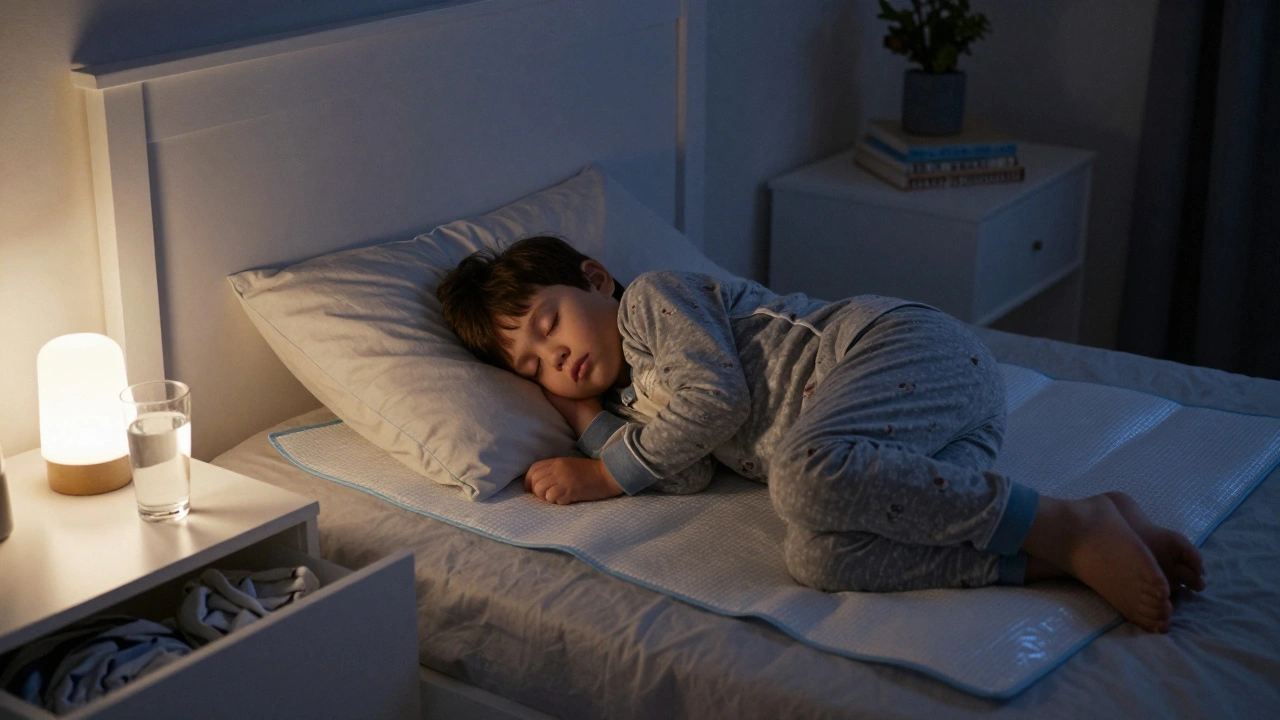
Many parents worry when their child still wets the bed at night. But noční pomočování, běžný jev u dětí do pěti let, kdy močový měchýř neumí udržet moč během spánku. Also known as enuréza, it’s not laziness, not bad parenting, and rarely a disease. It’s often linked to hyperaktivní močový měchýř, fyzický stav, kdy močový měchýř se příliš často a bez varování smrští. Or it’s just a slow-developing nervous system. Most kids outgrow it by age six. But if it lasts past seven, or if your child suddenly starts wetting the bed after months of dry nights, it’s worth checking with a doctor.
Some parents try bezplenková metoda, přístup, kdy dítě naučíte slyšet své tělo bez plenek, pomocí signálů, času a trpělivosti. It’s not about forcing control—it’s about listening. You don’t need to buy special pants or set alarms. Just watch for patterns: Does your child always wake up wet at 3 a.m.? Do they squirm before peeing? These are clues, not failures. The goal isn’t to stop accidents overnight. It’s to help your child feel safe while learning.
And don’t confuse dry nights with daytime control. A child might be perfectly clean during the day but still wet the bed. That’s normal. Or they might go to the toilet often during the day but leak a little—that’s also common. What matters is how they feel. If they’re embarrassed, stressed, or hiding wet clothes, that’s the real problem—not the accident itself.
There’s no magic age when all kids suddenly stop wetting the bed. Some stop when they start school. Others wait until they’re big enough to understand their body’s cues. What helps most? Patience. Consistency. No yelling. No shame. And knowing that dítě chodí na záchod isn’t a test of discipline—it’s a sign of growing up, at their own speed.
In the articles below, you’ll find real stories from parents who’ve been there: how they handled night accidents without punishment, what actually helped their child finally stay dry, and when to suspect something more than just slow development. You’ll learn what’s normal, what’s not, and how to support your child without turning bathroom habits into a battlefield.
-
 ZOBRAZIT PŘÍSPĚVEK
Jak primet dítě chodit na záchod: praktický návod pro rodiče
pro, 4 2025|0 KomentářeNoční pomočování u dětí je běžné a neznamená chybu. Naučte se, jak podpořit dítě bez trestů a stresu, když se ještě pomočí v noci, a kdy je čas jít k lékaři.